
The Lifespan of Common Roofing Materials & Repair Frequency
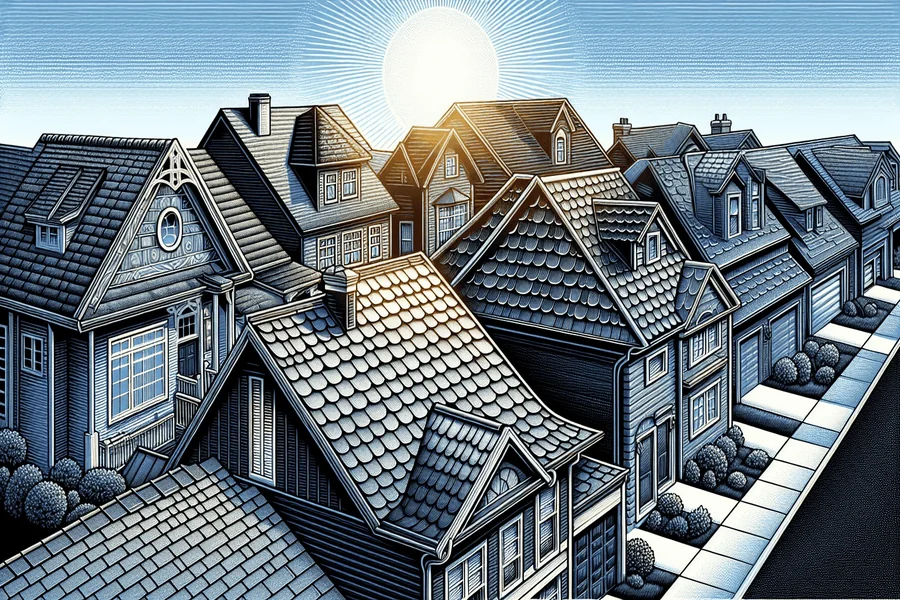
A roof is one of the most important components of any building, providing protection against weather, insulation, and structural support. Understanding how long different roofing materials last and how often they require maintenance or repairs is essential for homeowners and property managers alike. We will explore the durability of common roofing materials and the frequency at which repairs may be needed, helping to guide decisions about maintenance schedules, replacements, and investments in longevity. Being aware of these factors ensures the safety, comfort, and financial efficiency of managing a property, while preventing unexpected costs that can arise from neglecting the roof’s condition.
Understanding Roofing Materials and Maintenance Needs
-
Asphalt Shingles
Asphalt shingles are among the most widely used roofing materials due to their affordability and ease of installation. Standard three-tab asphalt shingles typically last around 15 to 20 years, while architectural shingles, which are thicker and layered, can last between 25 to 30 years under ideal conditions. Regular inspections by professional roofers in Kansas City are necessary to detect curling, cracking, or granule loss, which can lead to leaks or further damage. Repair frequency depends largely on the climate and exposure to severe weather. In areas with heavy rain, wind, or extreme sun, repairs may be required every few years to replace damaged shingles or reinforce areas vulnerable to water infiltration. Proper attic ventilation and routine maintenance significantly extend their lifespan.
-
Metal Roofing
Metal roofing has gained popularity due to its durability and energy efficiency. Materials like steel, aluminum, and copper can last anywhere from 40 to 70 years, depending on thickness, coating, and environmental factors. While metal roofs are highly resistant to fire, rot, and insects, they are susceptible to denting from hail or heavy debris. Inspections every 5 to 10 years help identify potential problems such as rust spots, loose panels, or fastener issues. Minor repairs, such as resealing joints or replacing a section of paneling, are often sufficient to maintain functionality. The initial investment in a metal roof is higher than asphalt, but the reduced frequency of repairs and extended lifespan often offset long-term costs.
-
Wood Shingles and Shakes
Wood roofing offers a natural, aesthetically appealing option, but it requires more maintenance compared to other materials. Standard wood shingles last approximately 20 to 25 years, while hand-split shakes may last up to 30 years with proper care. Exposure to moisture, fungi, and insects can significantly reduce their longevity. Routine maintenance includes clearing debris, treating the wood for rot prevention, and replacing individual damaged shingles. Repair frequency is generally every 3 to 5 years in humid or rainy climates, as moisture penetration can lead to warping or splitting. Adequate ventilation and protective treatments help extend the life of wood roofs while maintaining their visual appeal.
When considering the longevity of your roof, it’s crucial to factor in the local climate and the expertise of the professionals you choose for installation and maintenance. In regions like Seattle, where the weather can be particularly harsh, selecting a reliable roofing service is essential. A trusted Seattle roofing company can provide insights into the best materials suited for the Pacific Northwest’s unique conditions. This ensures not only the durability of your roof but also minimizes the frequency of repairs, ultimately saving you time and money.
-
Clay and Concrete Tiles
Clay and concrete tiles are renowned for their strength and resistance to fire, rot, and insects. Clay tiles can last over 50 years, with some installations exceeding a century, while concrete tiles generally last 40 to 60 years. The major considerations with tile roofing include the weight of the tiles, which requires a sturdy structural framework, and the potential for breakage during severe impact events. Repairs are usually infrequent but can involve replacing cracked or broken tiles as needed, typically every 10 to 20 years, depending on environmental exposure. Routine inspections help ensure tiles remain secure, and periodic cleaning prevents moss or debris from compromising water drainage.
-
Slate Roofing
Slate is a natural stone material with one of the longest lifespans of all roofing options, often lasting 75 to 100 years or more. Its exceptional durability means repairs are generally infrequent, although individual slate tiles may crack or loosen over time. Routine inspections every 10 to 15 years help identify broken or displaced slates, ensuring the roof maintains its protective function. Slate roofs require specialized installation due to their weight and handling requirements, but once in place, they provide unparalleled longevity and aesthetic appeal. Minor maintenance, such as replacing individual slates or fixing flashing around chimneys and vents, helps maintain the roof’s integrity over many decades.
-
Synthetic Roofing Materials
Synthetic roofing materials, including rubber, plastic, and composite products, are designed to mimic traditional materials such as slate or wood while offering enhanced durability and lower maintenance. Depending on the quality, synthetic shingles can last 30 to 50 years. They are generally resistant to rot, insects, and UV damage, and repairs are infrequent. Routine inspections every 5 to 10 years help detect minor issues such as cracking, fading, or displaced panels. Repair interventions are often limited to replacing affected sections rather than the entire roof. These materials provide a balance of aesthetic flexibility, durability, and reduced long-term maintenance demands.
-
Repair Frequency and Environmental Considerations
Regardless of material, the frequency of roof repairs is influenced by local weather, building design, and exposure to environmental stressors. Areas prone to heavy rainfall, snow, high winds, or extreme temperatures may require more frequent inspections and maintenance. Debris accumulation, such as leaves or branches, can accelerate wear, while UV exposure can degrade certain materials over time. Regular cleaning, gutter maintenance, and timely minor repairs prevent costly damage and extend the overall lifespan of a roof. Proactive management of small issues prevents larger structural problems that can compromise the safety and efficiency of the entire property.
Understanding the lifespan of various roofing materials and the frequency of repairs is crucial for effective property management. From asphalt shingles to slate and synthetic materials, each roofing option comes with distinct durability, maintenance requirements, and costs. Regular inspections, preventive maintenance, and timely repairs are essential strategies to extend the life of any roof, ensuring protection, energy efficiency, and aesthetic value. Being informed about how different roofs respond to environmental conditions and wear allows homeowners to plan maintenance schedules, manage budgets efficiently, and safeguard their property for decades. Knowledge of roofing materials and upkeep practices creates long-term security and reduces the risk of unexpected, costly repairs.