
Why Electrician Fees Vary and What You’re Really Paying For
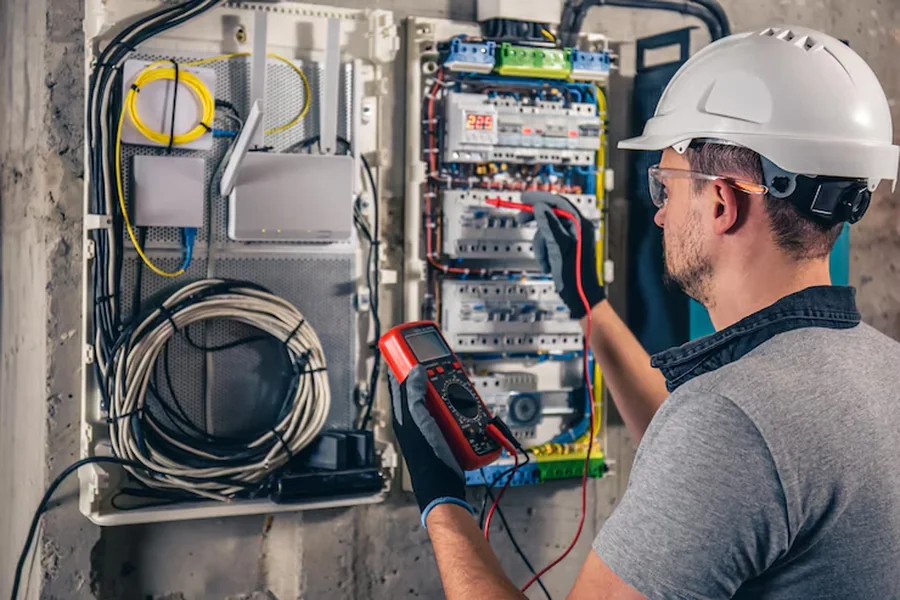
When you start comparing quotes for electrical work, you might notice a surprising range in electrician fees—even for what seems like the same job. One electrician might quote $90 an hour, while another charges $140. So, what gives? Are you being overcharged, or is there a valid reason for the difference in pricing?
In our current blog we will de-mystify why electrician costs may range so widely and what do you actually pay when contracting a professional. This will inform your decisions better so you don’t have to make the least expensive quote, but the most sound.
Experience and Qualifications
As in any trade, experience is important. A lower quotation would be given by an apprentice or a licenced electrician who has only a short period of experience as compared to an experienced electrician with 10 or 20 years of experience. Older electricians are usually faster at their job and notice trouble spots that their younger counterparts would not, and provide better quality services.
Additionally, not all electricians have the same qualifications. Some are certified for residential work only, while others are qualified for commercial or industrial jobs, which often come at a premium rate.
Understanding the nuances of electrician fees can be complex, but it’s crucial to recognize the value of expertise and reliability. When considering services, it’s important to factor in the electrician’s experience, the complexity of the job, and the quality of materials used. For instance, choosing a reputable service like Laius Electrics electrician Aspendale ensures that you’re not just paying for labor, but also for peace of mind and safety. Their commitment to high standards and customer satisfaction exemplifies why some fees might be higher, yet ultimately more cost-effective in the long run. This approach underscores the importance of investing in skilled professionals who prioritize both efficiency and excellence.
Type of Work Required
Pricing is greatly determined by the level of complication and depth in the work. Installing a light fitting is a million miles away when compared to a total house rewire or a three phase commercial switchboard upgrade. The reasons that are more technical, high risk or time consuming will automatically have higher fees attached to them.
Examples:
- Simple Task: Installing a new powerpoint – Lower fee.
- Complex Task: Installing an EV charger or home automation system – Higher fee.
Location and Travel Time
Where you live matters. Electricians in metro areas like Sydney or Melbourne often charge more due to higher operating costs—such as rent, fuel, and insurance. On the flip side, electricians in regional or rural areas may have lower fees but may charge extra for travel, especially if they’re coming from a town away.
Some electricians also include a call-out fee, which covers the time and cost of getting to your location. This fee typically ranges from $50 to $150 depending on distance and urgency.
Urgency and After-Hours Work
Need an electrician on a Sunday night because of a power outage? Expect to pay a premium. After-hours, weekend, and holiday services come with higher fees because the electrician is working outside normal hours, often on short notice. This compensates them for disrupted personal time and the additional pressure of emergency work.
Tools, Equipment & Materials
You’re not just paying for the electrician’s time. You’re also covering the cost of tools, testing equipment, insurance, licensing, and safety gear. Quality electricians invest in top-tier tools to ensure work is done safely and efficiently, which factors into their rates.
Plus, if your job requires specific materials—like safety switches, cabling, conduit, or fixtures—these costs are often added to the final bill.
Insurance and Compliance Costs
Professional electricians carry liability insurance to protect themselves and their clients in case something goes wrong. They also follow safety codes, regulations, and testing procedures required by local authorities. These compliance measures involve ongoing costs, training, and audits—all of which contribute to their pricing.
An unlicensed or underinsured electrician might offer cheaper rates, but if something goes wrong, the consequences can be severe—and costly.
Business Overheads
An electrician who works solo out of a van will have different overheads than one who runs a business with a full team, office staff, vehicles, and a warehouse. Larger operations often provide more responsive service, warranties, and customer support—but these benefits are reflected in their pricing structure.
What Are You Really Paying For?
When you hire an electrician, you’re not just paying for someone to “do a job.” You’re investing in:
- Expertise and advice
- Safety and compliance
- Quality workmanship
- Peace of mind
- Ongoing service and support
Think of it like buying a car. You can get a cheap secondhand model that might run for a while, or you can invest in a well-built, reliable vehicle with full warranty and servicing. The same logic applies to electrical work.
Final Thoughts: Choose Value Over Price
It’s tempting to go with the lowest quote, but when it comes to electrical work—where safety, compliance, and long-term reliability are on the line—it’s crucial to look at value, not just cost.
The next time you’re comparing electrician fees, ask questions like:
- Are they licensed and insured?
- Do they offer warranties?
- What’s included in the quote?
- What kind of reviews or referrals do they have?
A trustworthy, professional electrician might cost a bit more upfront, but it’s a wise investment that often saves you time, money, and stress down the track.