
Rabbit Agility & Indoor Playsets: How to Train a Bunny to Jump, Tunnel & Play Safely
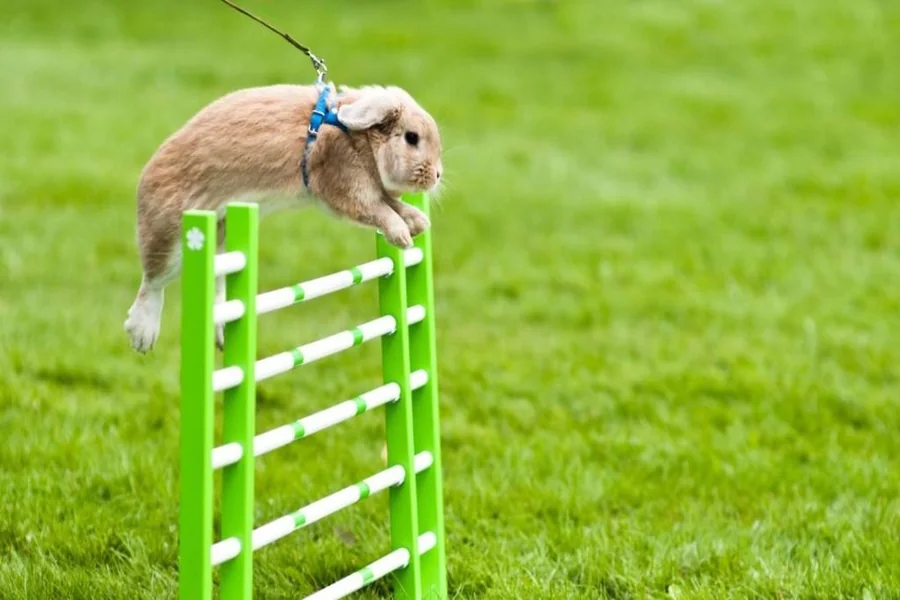
Rabbits are intelligent, curious creatures that thrive when given opportunities to explore and play. While many people think of rabbits as quiet, stationary pets, the truth is that bunnies enjoy mental and physical challenges just like dogs and cats. With the right setup, you can train your bunny to navigate tunnels, leap over small hurdles, and even weave through cones. Rabbit agility isn’t just entertaining—it’s an incredible way to bond with your pet, boost their health, and keep them stimulated indoors.
If you’ve ever watched your bunny zoom around the living room or leap in joy with a twisty “binky,” you’ve already seen the enthusiasm they have for movement. Indoor agility training taps into that natural energy and channels it into structured play. Let’s explore how you can safely and effectively teach your rabbit to become a hopping pro.
Why Rabbit Agility Is Great for Both You and Your Bunny
Agility training is more than just cute tricks and obstacle courses—it’s a lifestyle enrichment tool that improves your rabbit’s physical health, strengthens your bond, and provides essential mental stimulation.
Rabbits, especially those kept indoors, often don’t have as many opportunities to exercise as they would in a more natural outdoor habitat. Agility courses offer a safe and exciting environment where they can burn energy and use their minds. Jumping over small hurdles strengthens their back legs and improves coordination, while crawling through tunnels helps build confidence and explore new textures and environments.
Mentally, these exercises are just as valuable. Teaching a bunny to follow a target stick, respond to commands, or maneuver through a course challenges their problem-solving skills. With positive reinforcement (usually a healthy treat or gentle praise), they quickly learn how fun training sessions can be.
Agility also creates opportunities for pet owners to engage more deeply with their rabbits. Rabbits are prey animals by nature and tend to bond with those they trust. Spending time on the floor with them, guiding them through a course, and celebrating their wins reinforces a healthy and loving relationship.
Setting Up a Safe and Fun Indoor Agility Course
Before you start training, it’s crucial to create a safe space where your bunny can explore without risk. Use a non-slip mat or rug to prevent sliding and keep the training area free of clutter. Choose a quiet, calm room where your rabbit won’t be startled by loud noises or sudden movements.
Start small with just a few pieces of equipment, such as a mini tunnel, one or two low hurdles, and perhaps a simple ramp or weaving poles made of soft materials. PVC pipes, cardboard boxes, and even soft foam pool noodles can be used creatively to build DIY playsets. Just ensure there are no sharp edges, loose parts, or materials your bunny could ingest.
If you’re just beginning, keep the sessions short—five to ten minutes is plenty. Rabbits are sensitive and can become overwhelmed if pushed too hard. As your bunny gains confidence, you can increase the complexity and length of each session.
One important reminder while designing your play area: always supervise your rabbit. While they are agile creatures, they can easily hurt themselves if they land awkwardly, chew something harmful, or get trapped in tight spaces. Supervision ensures fun doesn’t turn into stress or injury.
Introducing elements like brightly colored cones or flags can make the space more exciting. Just be mindful not to overstimulate your rabbit with too many distractions. The agility space should feel like an adventure, not a sensory overload. And yes, it’s perfectly okay to name your setup something quirky—maybe even your own indoor color bet game for bunnies.
Training Techniques: Building Trust, Repetition, and Reward
Training your bunny to complete agility challenges isn’t about dominance or discipline—it’s about trust and encouragement. Rabbits respond best to positive reinforcement, meaning you reward them for good behavior instead of punishing them for mistakes.
Start by identifying a treat your rabbit loves, such as a tiny piece of banana, apple, or dried herb. Use this reward to encourage them to approach new objects. For instance, place a treat on the other side of a short tunnel and let them discover it naturally. Once they’ve done it a few times, start using a clicker or a simple verbal cue like “go tunnel” to associate the action with a command.
As your rabbit gets comfortable, introduce more steps: jumping over a hurdle, climbing a small ramp, or weaving between obstacles. Go slow—mastery of one obstacle might take days or even weeks. Don’t rush your bunny through a full course. Let them learn at their own pace.
Target sticks can also be a great tool. These are small rods with a colorful tip (or even a dot of banana), which your bunny learns to follow. Over time, you can guide them through the course just by moving the target.
If your bunny hops off course or loses interest, don’t scold them. Instead, give them a moment to reset or end the session and try again later. The goal is to associate agility with fun and safety, never pressure or stress.
Consistency is key. Try to train at the same time each day in the same space. This builds a routine that your rabbit can anticipate and feel comfortable with. And celebrate every tiny success—each hop forward is progress!
Creative Indoor Playsets to Keep Your Bunny Engaged
You don’t need to buy expensive gear to give your bunny a fantastic indoor playground. Some of the best playsets are built from everyday household items.
Cardboard boxes make great tunnels and hiding spots. Cut holes at each end, and your rabbit will likely explore them with curiosity. Empty paper towel rolls can be used as mini jumps or chew toys. Soft cushions or low footstools can be arranged for hopping challenges.
Modular tunnel systems, like those sold for cats or ferrets, also work great for rabbits. Just ensure they’re wide enough and made of safe materials. You can even add small bells or toys inside for extra interest.
If you’re handy with tools, consider building a wooden agility set from sanded plywood or pine. Create miniature jumps, zigzag paths, and soft ramps. Paint them with non-toxic, pet-safe paint to add some color flair (and to make it Instagram-worthy, if that’s your thing).
Most importantly, rotate the play area every couple of weeks. Changing the setup keeps your rabbit curious and prevents boredom. Remember, mental stimulation is just as vital as physical activity for a happy, healthy bunny.
Conclusion: Hop Into a Healthier, Happier Routine
Rabbit agility and indoor playsets offer a rewarding way to bring more joy into your bunny’s daily life. With just a little creativity, patience, and encouragement, you can build a space that satisfies your rabbit’s natural instincts while deepening your bond with them.
Whether it’s a DIY tunnel maze in the living room or a full agility course in the hallway, the most important element is your bunny’s safety and comfort. Keep sessions positive, go at their pace, and always prioritize trust over performance.
With time, you’ll find that agility training isn’t just about tricks—it’s about connection. And seeing your bunny confidently hop, tunnel, and thrive? That’s a reward in itself.