
How to Bleed Radiators and Why It Is Important for Performance
As cooler months approach, ensuring your heating system operates efficiently becomes a priority for many households. One essential maintenance task that often gets overlooked is the bleeding of radiators . This simple process can significantly improve the performance of your heating system, ensuring that your home stays warm and energy-efficient throughout the cold season.
Over time, air can become trapped in your radiator system, causing inefficient heating and uneven warmth distribution. This trapped air prevents hot water from circulating properly, resulting in cold spots and increased energy costs as your heating system works harder to achieve the desired temperature. Bleeding your radiators is a straightforward, DIY task that helps remove this air, enhancing the efficiency and effectiveness of your heating system.
Why Bleeding Radiators Matters
Properly functioning radiators are crucial for maintaining comfortable temperatures in your home while also keeping energy bills manageable. When air is present in your radiators, they fail to heat up evenly, leading to uncomfortable living conditions. More importantly, a system that needs to expend more energy to provide heat places an unnecessary strain on your boiler, potentially reducing its lifespan and leading to costly repairs. Regularly bleeding your radiators can help avoid these issues, ensuring optimal performance.
When to Bleed Your Radiators
Knowing when to bleed your radiators contributes to the overall efficiency of your heating system. Ideally, this should be done at least once a year, typically before the winter season begins. However, if you notice particular radiators not heating up evenly or making a gurgling noise, it’s a clear indication that air might be trapped inside. Address these issues promptly to prevent further inefficiency and discomfort.
How to Bleed a Radiator
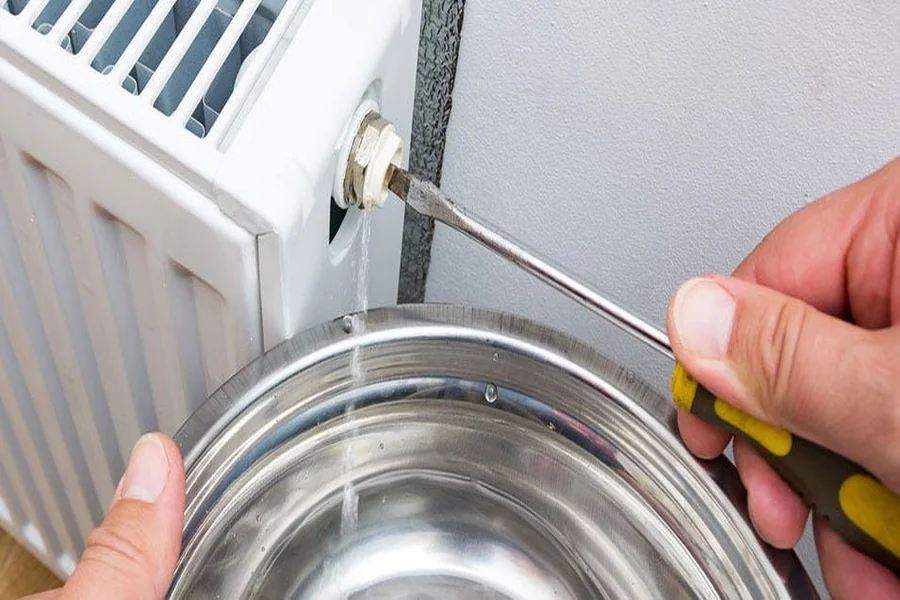
Bleeding a radiator is a simple process that requires minimal tools. All you need is a radiator key, a cloth or towel, and a container to catch any drips. Follow these steps to bleed your radiators correctly:
- Turn off your heating system and allow it to cool down to prevent scalding.
- Identify the radiator that needs bleeding by checking for cold spots or listening for gurgling sounds.
- Locate the bleed valve, usually found at the top corner of the radiator.
- Place the towel and container beneath the valve to catch any water that escapes.
- Insert the radiator key into the valve and carefully turn it counter-clockwise. You should hear a hissing sound as air escapes.
- Once the hissing stops and water begins to trickle out, close the valve tightly.
- Turn your heating system back on and check the radiator for even warmth.
Maintaining Radiator Efficiency
Regular maintenance, including bleeding, is essential for keeping your home’s heating system in top condition. While bleeding your radiators is a crucial step, consider having a professional conduct an annual check-up on your entire heating system to ensure all components are functioning correctly. This proactive approach not only increases efficiency but can also extend the life of your system, saving you money in the long run.
In conclusion, bleeding your radiators is a small but significant task that can have a considerable impact on your home’s comfort and energy efficiency. By regularly checking and maintaining your radiators, you ensure optimal heating performance, contributing to a warm and welcoming environment in your home.